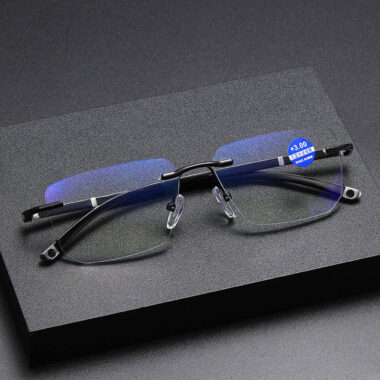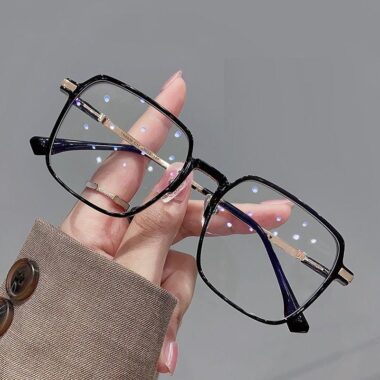
The eyewear industry is undergoing a digital transformation, and 3D printing is at the center of it. For years, eyeglass production relied on traditional methods like injection molding and CNC cutting. Now, forward-thinking eyeglasses manufacturers are adopting additive manufacturing technologies to streamline prototyping, reduce waste, and even scale bulk production. For retailers, distributors, and importers, this innovation means faster time-to-market and greater flexibility in design.
🖨️ The Role of 3D Printing in Eyewear
3D printing, also known as additive manufacturing, allows manufacturers to create frames layer by layer using materials such as nylon, resin, or bio-based plastics. Unlike traditional manufacturing, this process:
-
Reduces waste by using only the necessary material
-
Speeds up prototype creation for new designs
-
Enables complex frame shapes that are difficult with conventional methods
👉 For buyers seeking innovative and cost-efficient partners, working directly with Eyeglasses manufacturers ensures access to cutting-edge technology in eyewear production.
⚙️ Faster Prototyping for New Designs
One of the biggest benefits of 3D printing is the ability to rapidly prototype. Manufacturers can produce sample frames within days rather than weeks, allowing brands to:
-
Test new designs before committing to bulk production
-
Adjust ergonomics for better fit and comfort
-
Respond quickly to fashion trends
This agility is especially valuable for fashion-driven retailers who must adapt to seasonal changes.
📦 Bulk Production with Additive Manufacturing
While 3D printing was once limited to prototyping, advancements now allow manufacturers to use it in bulk production. Benefits include:
-
Consistency in frame quality across large orders
-
Flexibility in offering small-batch custom designs
-
Shorter lead times compared to traditional molding
Distributors working with 3D printing-enabled manufacturers can balance scalability and customization more effectively than ever before.
👓 Customization Opportunities
Personalization is a growing trend in eyewear. With 3D printing, manufacturers can:
-
Offer customized frame sizes for different face shapes
-
Integrate unique branding or logo designs directly into frames
-
Create limited-edition collections for retailers
For businesses aiming to build unique product lines, sourcing through Custom Glasses manufacturers ensures access to private-label opportunities supported by advanced 3D printing capabilities.
🌍 Sustainability Benefits
Another major advantage of additive manufacturing is sustainability. By minimizing material waste and supporting the use of eco-friendly resins, 3D printing aligns with the global shift toward greener production. Manufacturers can also produce frames locally, reducing transportation emissions in the supply chain.
📊 Market Outlook
The adoption of 3D printing in eyewear is expected to accelerate as:
-
Technology costs decrease
-
Materials become more diverse and durable
-
Retailers demand faster product cycles
-
Consumers seek unique and personalized designs
Manufacturers who embrace this technology will not only improve efficiency but also gain a significant competitive advantage in global markets.
✅ Conclusion
Eyeglasses manufacturers are transforming the industry by embracing 3D printing for both prototyping and bulk orders. This shift enables faster design cycles, scalable customization, and sustainable production practices. For B2B buyers, partnering with forward-looking manufacturers means gaining access to innovative products that meet the evolving needs of today’s eyewear consumers.